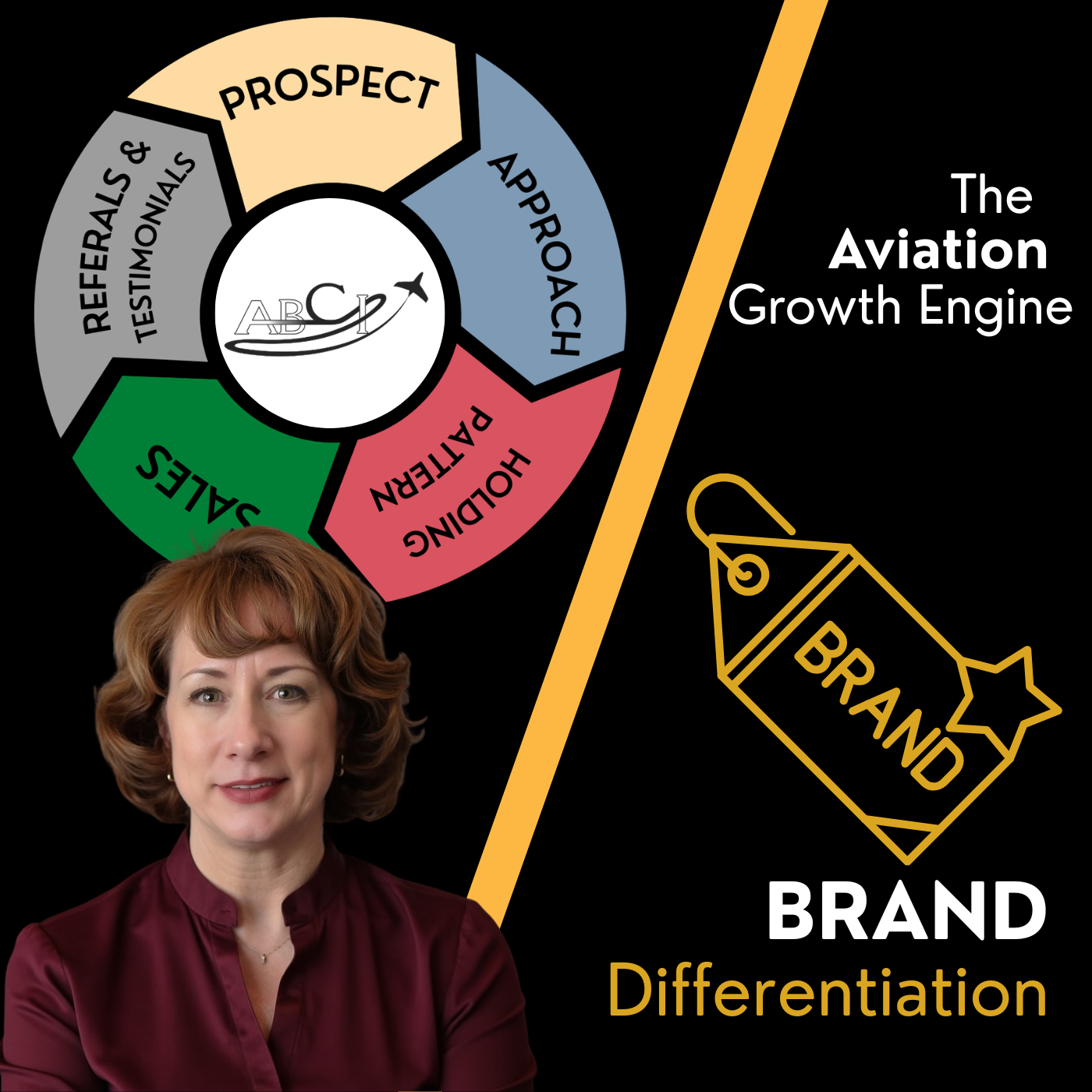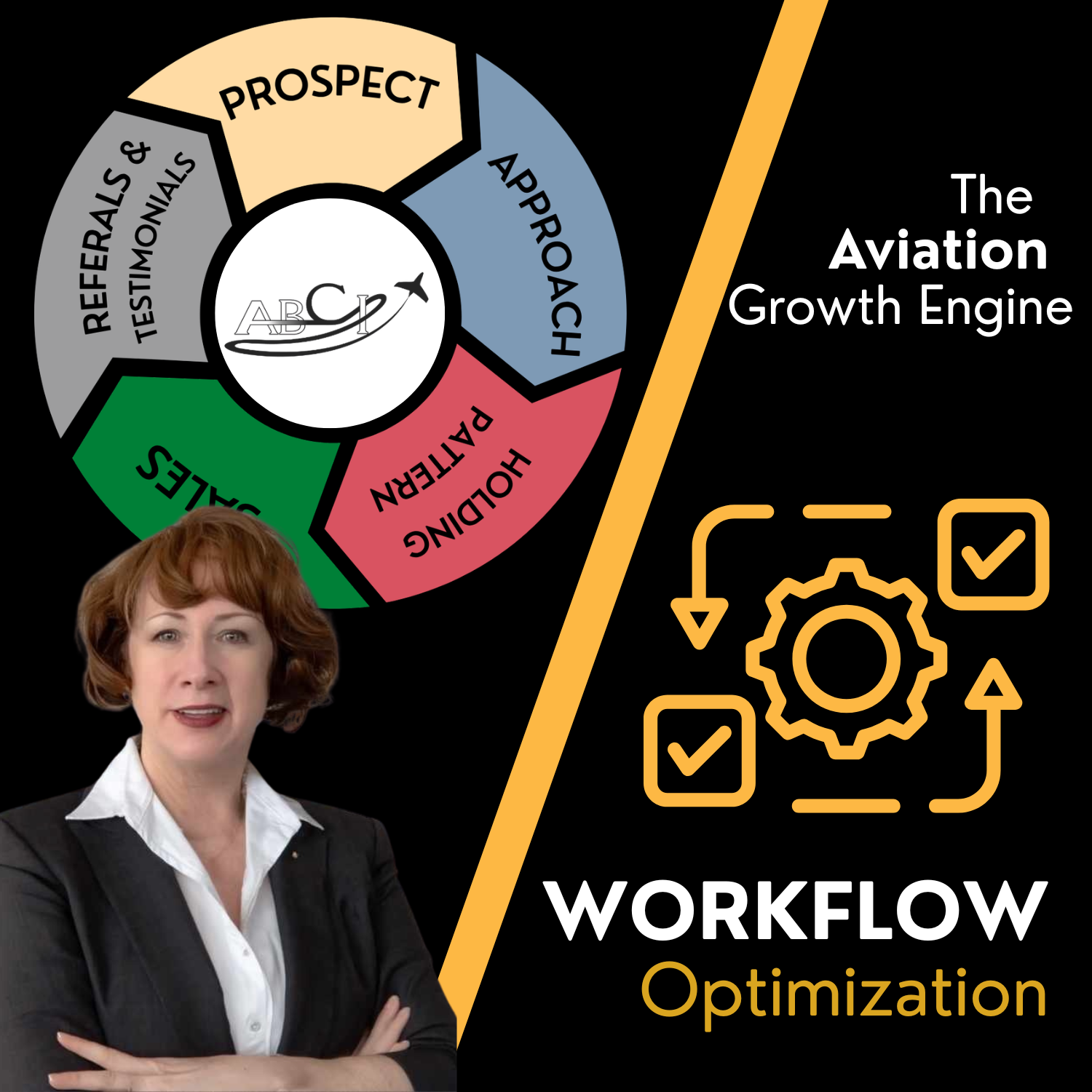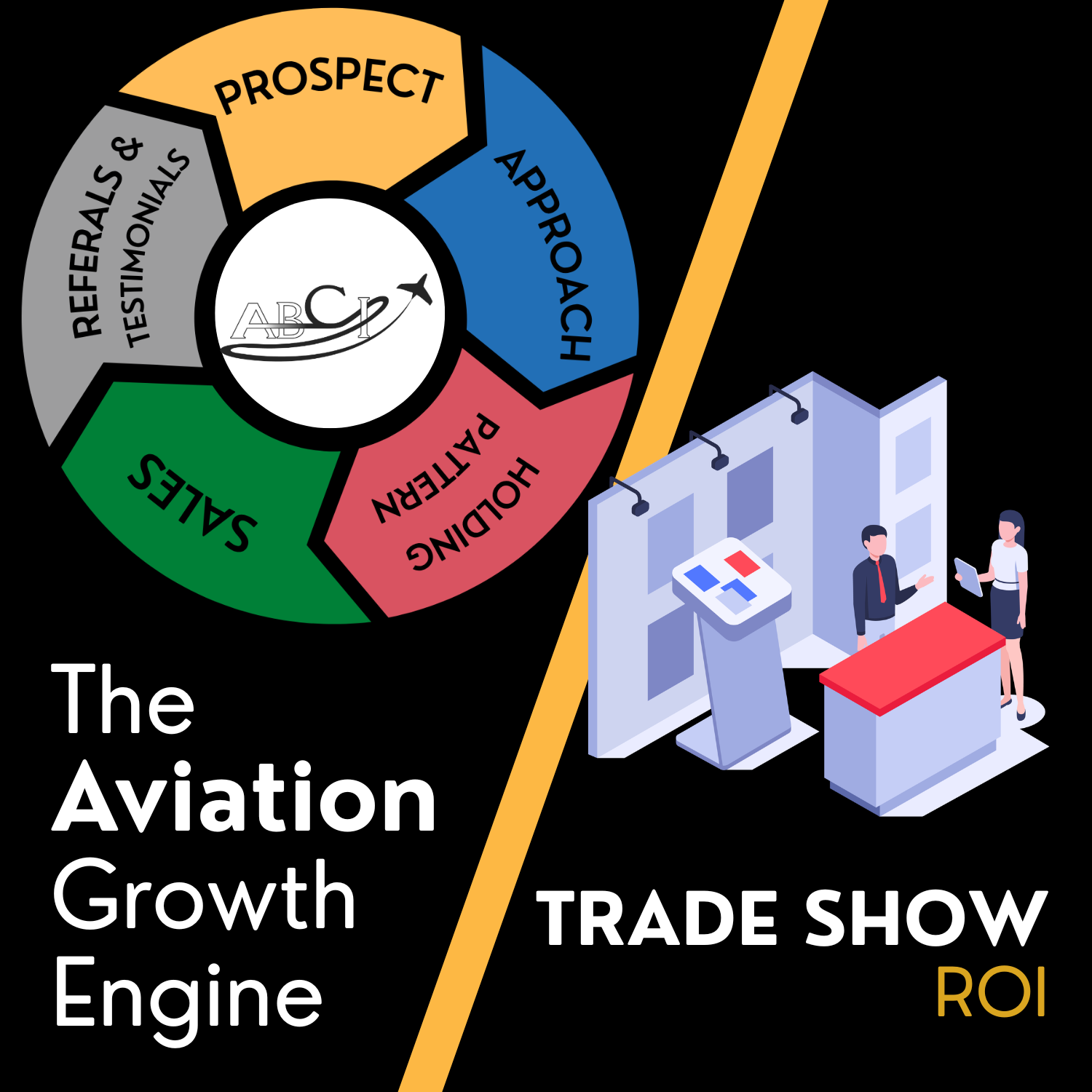

Phase One: At the top of the diagram is the "front line" of traditional marketing - making the first contact with a potential buyer and making some sort of connection. In most cases, we recommend making a low-risk commitment or exchange - your contact information for a special report, as an example. The idea is to obtain permission (and hopefully the expectation, since this is a person who can benefit from your product or service) to continue educating this person about your product or service. Many traditional marketing systems treat that as the end of the story. You've gotten your card into that person's rolodex, now they'll call you when they need your product, right? Wrong! People are busy and bombarded with advertising. They will have long forgotten you, or how to contact you, a week, a month, or several months from now when they have a need. There are so many options for nearly every product or service you can dream up, that you need to continue the relationship. You must provide more information, educate your prospective customers about your product or service. They need to see you as a helpful source of information on the industry and on your particular area of expertise. People don't buy products or services; they buy opportunities to do more, or solutions to their problems. Sending frequent and regular communications to your list of prospects puts you in the position to provide what they need when they need it. In fact, we advise some of our clients to spend fifty percent of their marketing budget on phases two and three. This is a huge change from traditional marketing, but it makes sense, it works, and here's why: You're spending time and money on people who have raised their hands and indicated that they have an interest in your product or service; (Phase Two) and on people who have already demonstrated their commitment to your company by purchasing your product or service in the past. (Phase Three.) Doesn't that just make sense? Why would you spend a lot of money chasing customers "in the field" while there are a lot of people who have already bought your product or indicated an interest? Don't be discouraged if the list of people who have "opted in" to your marketing process is small. You can afford to send a pretty nice information package with audio or video DVDs, brochures, catalogs, and other information to a list of 50; while such a package to a list of 5000 may be out of the question with your current budget. Create and send information packages or "referral kits" to your current customers, as well. Many of your current customers may not know the other products or services you offer, and they may just need a reminder or a "thank you" to make a referral. Breaking the tradition of spending all of your marketing time and energy on the "front lines" can be a very smart move, and can make a big difference to your sales results.
 .
. Categories
Aviation Marketing
Tags
#traditional marketing system