0:00 – 0:33 Kickoff, workbook intro, and why printed notes still matter.
0:33 – 1:01 Light banter before diving in; setting the tone.
1:01 – 1:42 Opening question: Which part of aviation marketing will AI transform first?
1:42 – 3:02 Poll results unpacked; skepticism about AI’s actual capabilities.
3:02 – 4:24 Historic attitudes toward AI—how much has changed in three years.
4:24 – 5:13 Examples of poorly generated AI content and why quality still varies.
5:13 – 6:02 Why customer experience will be the last frontier for AI in aviation.
6:02 – 7:31 Decision-making: a major capability AI still can’t match humans on.
7:31 – 8:36 Conservative AI behavior in the real world (Waymo example).
8:36 – 9:43 Using AI outside marketing—nutrition, research, everyday problem-solving.
9:43 – 10:22 Survey results on repetitive tasks people want automated.
10:22 – 12:04 AI’s limits with language, errors, and why human oversight matters.
12:04 – 13:19 Automating skills vs. overestimating AI—programming, spreadsheets, pitfalls.
13:19 – 14:49 Where AI breaks down without expert knowledge; when to stop and do it yourself.
14:49 – 15:24 How opinions toward AI in aviation have flipped over three years.
15:24 – 16:25 Growing mainstream acceptance (Coca-Cola AI holiday ad example).
16:25 – 17:11 Accuracy and fact-checking challenges—aviation details must be correct.
17:11 – 18:01 AI as a brainstorm partner, not a designer or final authority.
18:01 – 18:57 Workshop goal: everyone should leave with three actionable, time-saving ideas.
18:57 – 19:46 ChatGPT’s “birth date” analogy—smart, but not ready for command authority.
19:46 – 21:29 AI will make a bad product fail faster—why strategy comes first.
21:29 – 22:33 Power tools amplify mistakes; same with AI.
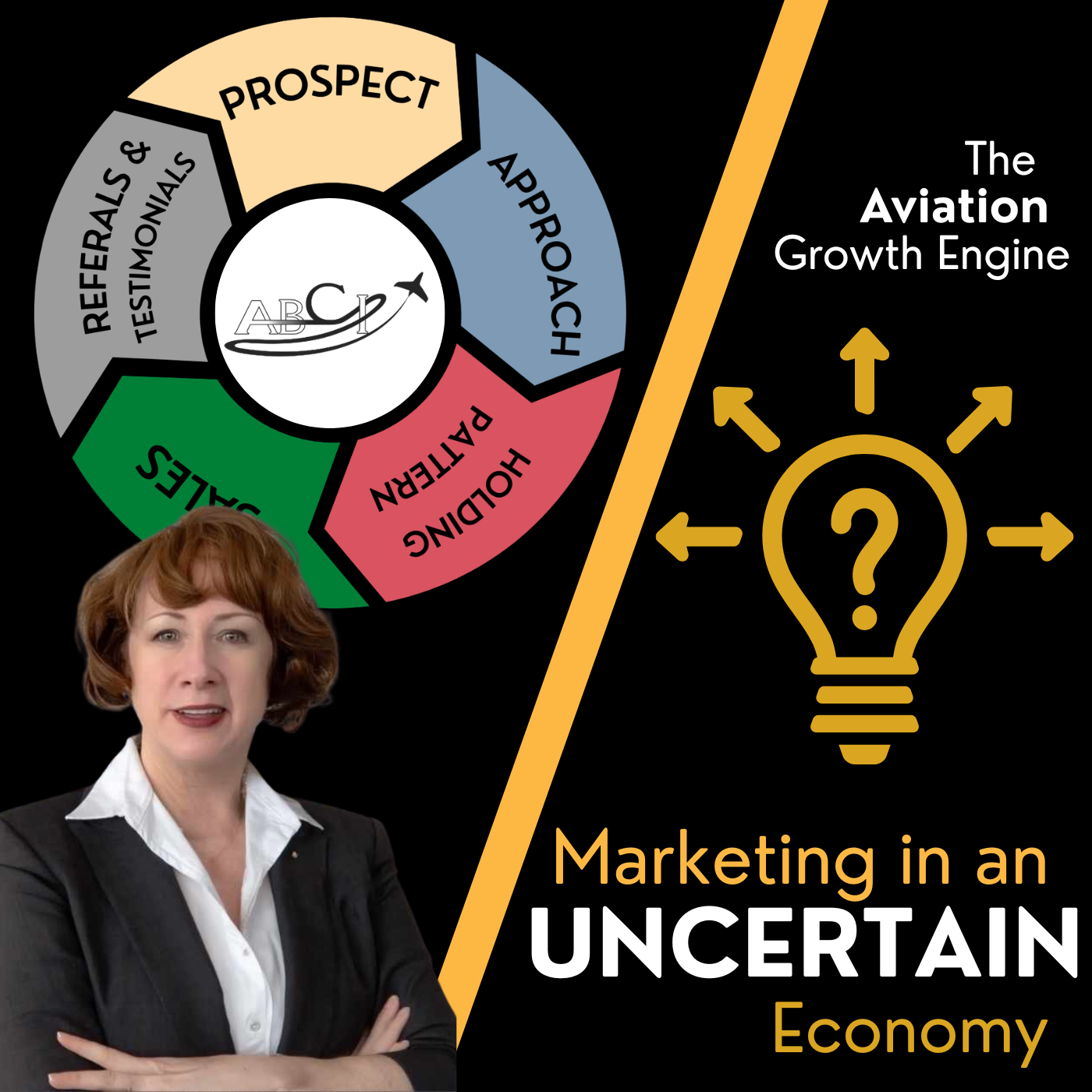
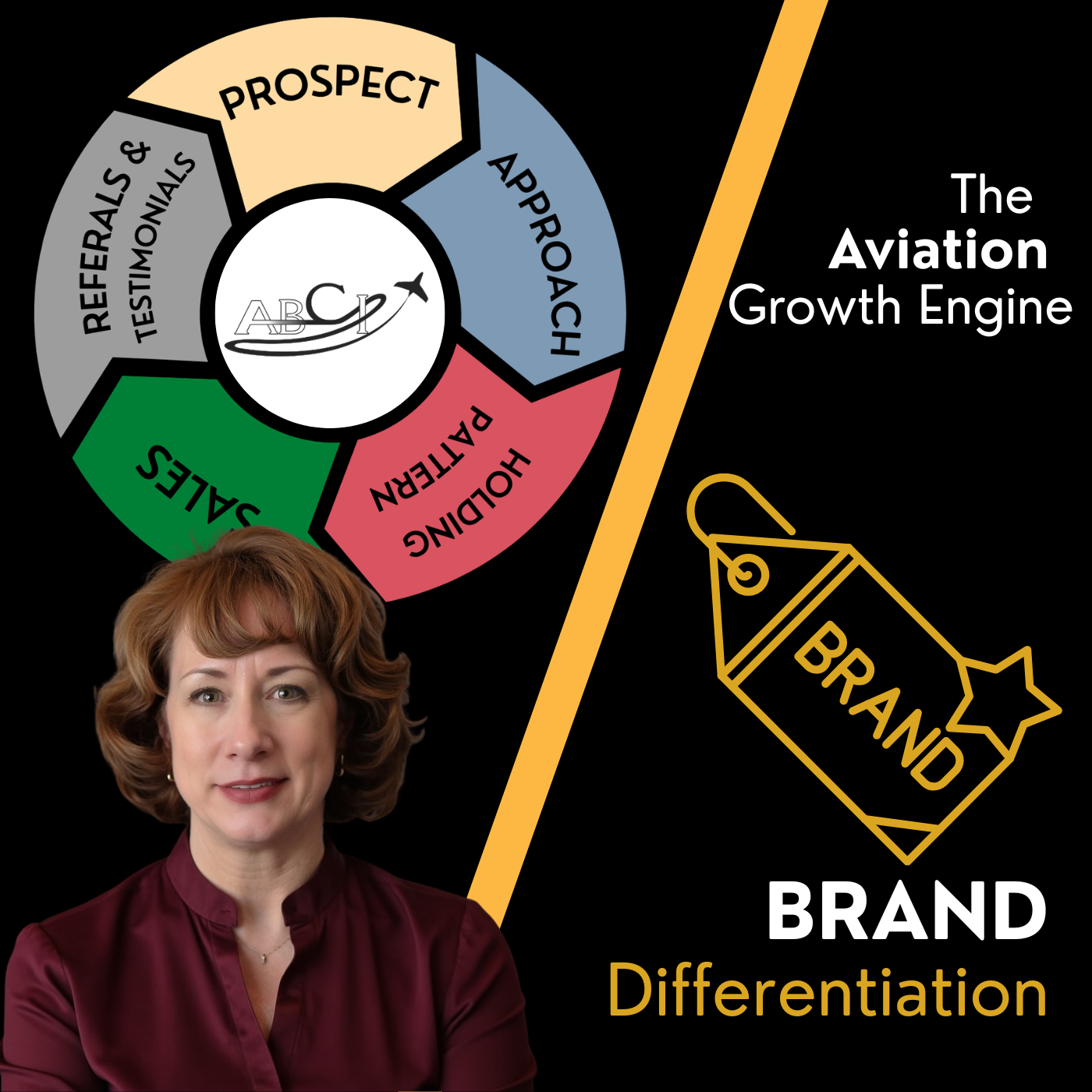
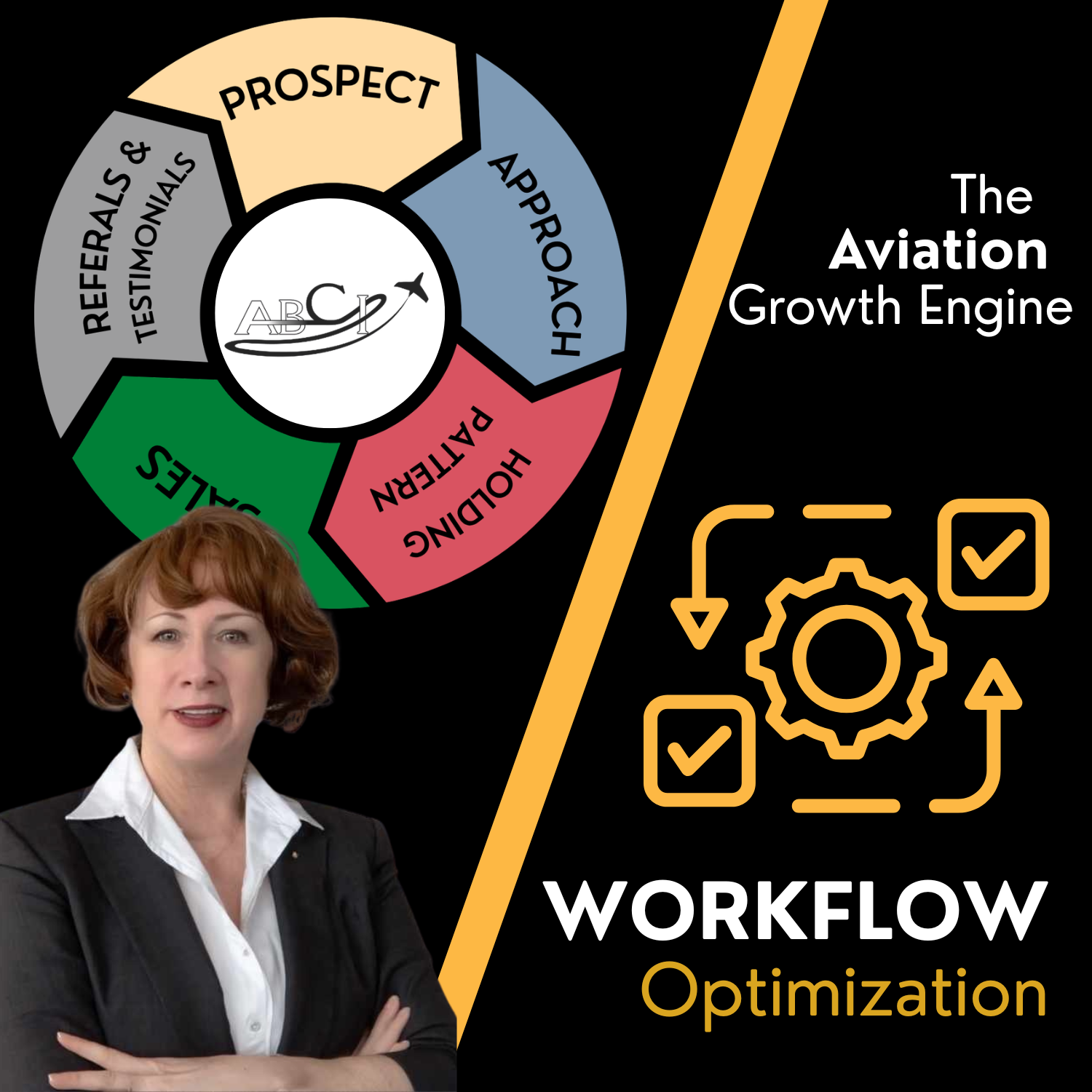
22:33 – 23:27 Marketing wheel intro: why aviation uses a wheel, not a funnel.
23:27 – 25:21 AI for prospecting—scrubbing lists, FAA data, ICP matching.
25:21 – 27:03 AI for approaching—customized emails and DMs using deep data inputs.
27:03 – 29:10 Iterative prompting; refining lists; managing expectations.
29:10 – 31:29 Lookalike audiences—how to upload CRM data and find similar prospects.
31:29 – 32:35 Why ChatGPT is preferred; warning about biased or unreliable models.
32:35 – 34:10 Holding pattern stage—where image generation enters the marketing wheel.
34:10 – 36:41 Angel’s deep dive into image generation tools, Gemini vs. ChatGPT.
36:41 – 38:28 Detailed prompting: lenses, lighting, angles, atmosphere for realism.
38:28 – 40:05 Accuracy issues, aviation intolerance for “fake aircraft,” and risk concerns.
40:05 – 41:33 Legal/IP issues and the need for documentation and good-faith defenses.
41:33 – 42:15 Stylistic consistency for brands—using tools to match campaign aesthetics.
42:15 – 43:57 Tool differences demonstrated—why some images look obviously AI.
43:57 – 46:20 Adeela’s process: generating video from still images using Canva AI.
46:20 – 47:22 Discussion: video realism, limitations, monthly generation caps.
47:22 – 49:06 Rapid evolution of AI voiceovers—quality now tolerable for many viewers.
49:06 – 50:34 Blending AI video with human-recorded voiceovers for realism.
50:34 – 51:22 Email marketing with AI—outlining, autoresponders, hybrid writing workflow.
51:22 – 53:06 Editing AI drafts: why humans must rewrite intros and verify facts.
53:06 – 54:33 Using AI to source statistics, stories, jokes—human curation still essential.
54:33 – 56:12 Infographic example and why different audiences require different terminology.
56:12 – 58:12 Using ChatGPT for networking prep—topics for mutual interests.
58:12 – 59:29 Why “prepared conversation topics” aren’t cheating—they reduce social friction.
59:29 – 1:01:10 End-to-end ABCI workflow: humans + AI + tools + peer review.
1:01:10 – 1:04:07 Group sharing of key takeaways (detailed prompt learning, networking ideas).
1:04:07 – 1:05:53 Ethics, accuracy, and maintaining brand alignment across AI tools.
1:05:53 – 1:07:04 Final discussion: AI is powerful, but blind confidence is dangerous.
1:07:04 – end Closing thanks; annual workshop tradition; reminder to use the workbook.